Best Timing for Pavers Service
Understanding the optimal timing for pavers service can ensure long-lasting results and minimal disruption. The best time generally depends on weather conditions, project scope, and specific service requirements.
Spring offers moderate temperatures ideal for paver installation and repairs, with less risk of weather-related delays.
Summer can be suitable for pavers work, especially during early mornings or late afternoons to avoid heat stress.
Fall provides cooler weather and less rain, making it an effective season for sealing and maintenance.
Winter is generally less suitable due to freezing temperatures that can affect setting and curing processes.
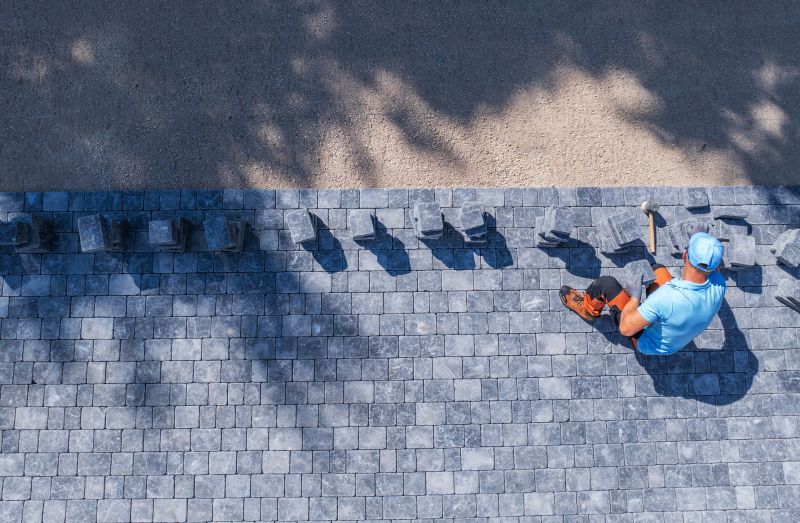
Ways to make Pavers Service work in tight or awkward layouts.
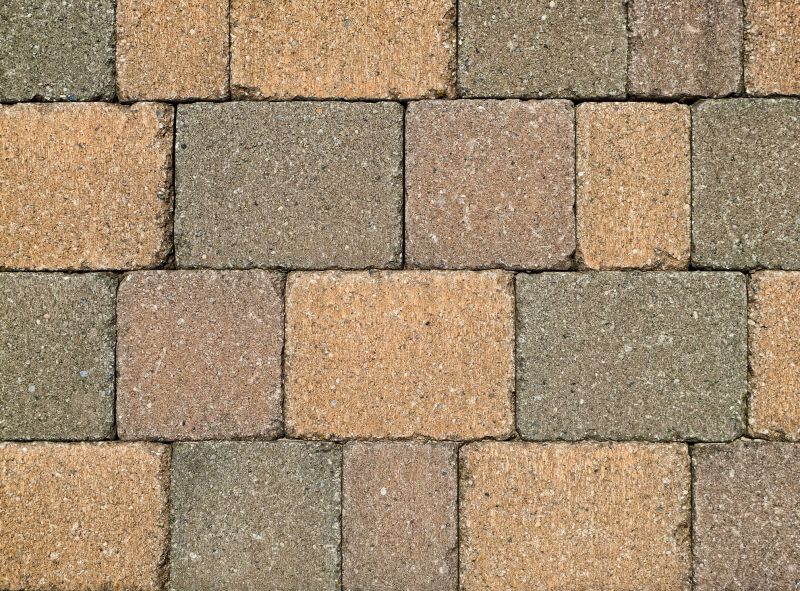
Popular materials for Pavers Service and why they hold up over time.
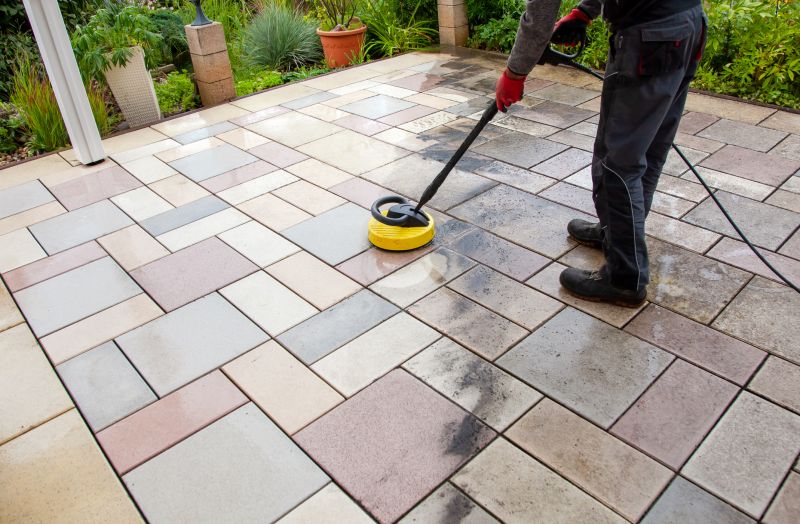
Simple add-ons that improve Pavers Service without blowing the budget.
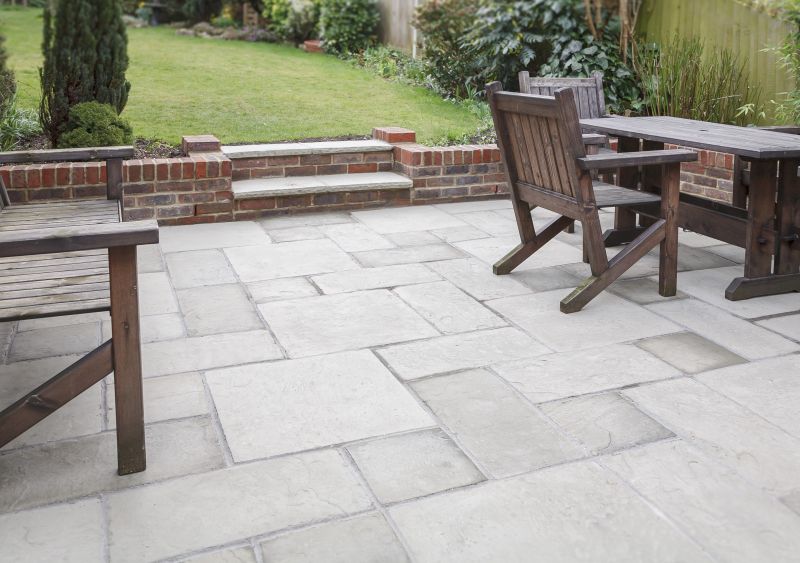
High-end options that actually feel worth it for Pavers Service.
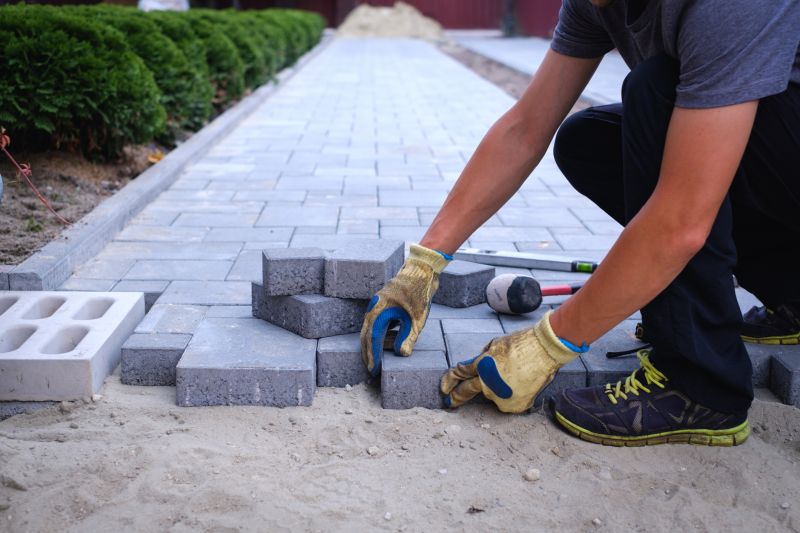
Finishes and colors that play nicely with Pavers Service.
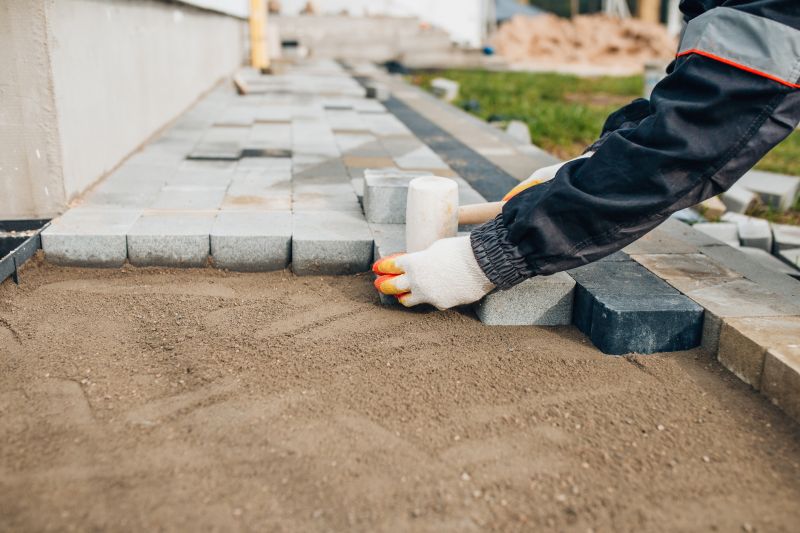
Little measurements that prevent headaches on Pavers Service day.
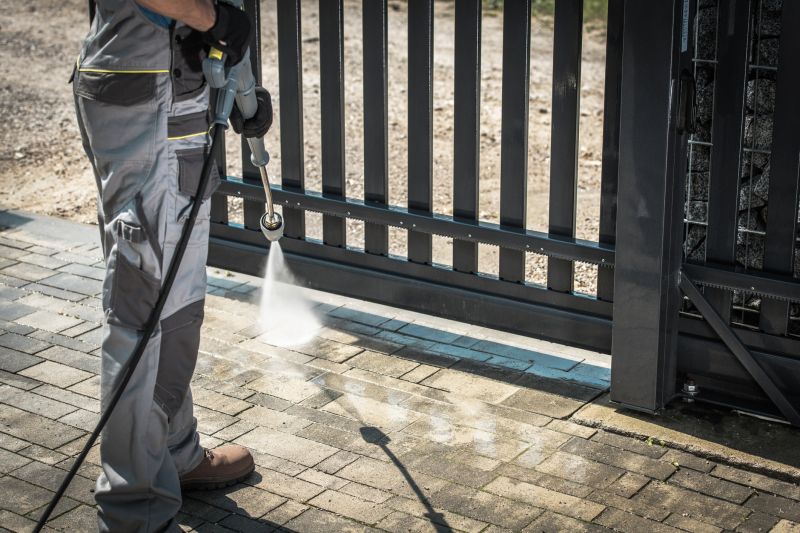
A 60-second routine that keeps Pavers Service looking new.
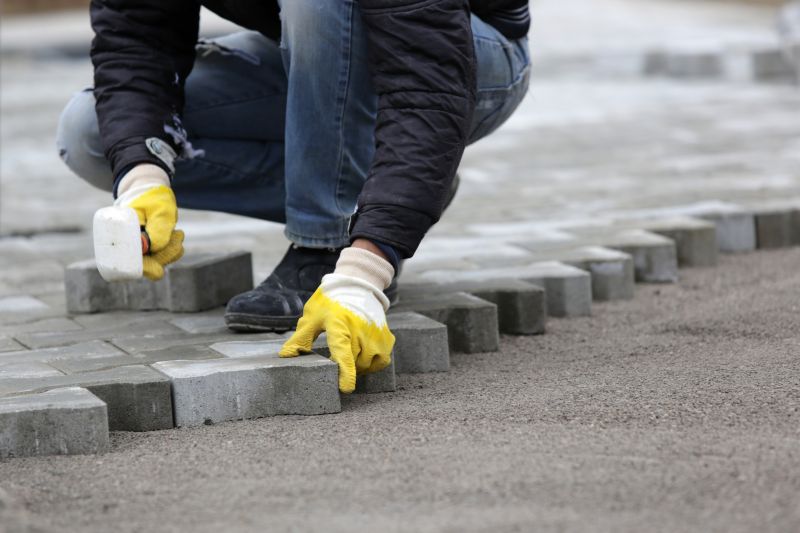
A frequent mistake in Pavers Service and how to dodge it.
| Season | Best Practices |
|---|---|
| Spring | Ideal for installation and repairs due to moderate weather. |
| Summer | Suitable during early morning or late evening hours to avoid heat. |
| Fall | Excellent for sealing and maintenance projects. |
| Winter | Generally not recommended due to freezing temperatures. |
| Conditions | Dry weather, temperatures between 50-85°F, low humidity are optimal. |
Pavers service involves various activities including installation, repairs, sealing, and maintenance. Proper timing ensures that these activities are performed under conditions that promote durability and aesthetic appeal. Seasonal considerations can influence the quality and longevity of paver work, making it essential to plan projects during suitable weather windows.
Statistics indicate that scheduling pavers service during favorable conditions can extend the lifespan of the installation by several years. For example, sealing pavers in the fall can prevent damage from winter weather, while avoiding work during extreme heat reduces the risk of improper curing. Consulting with a professional can help determine the best timing based on local climate patterns.
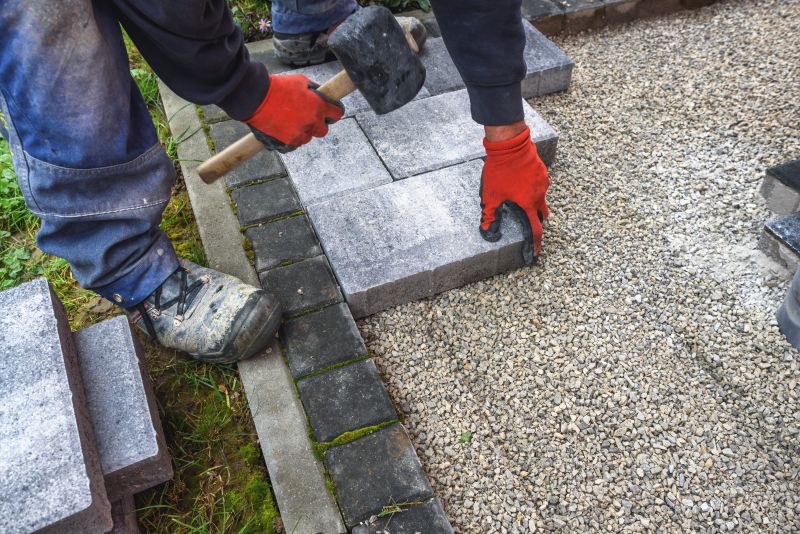
Small tweaks to make Pavers Service safer and easier to use.
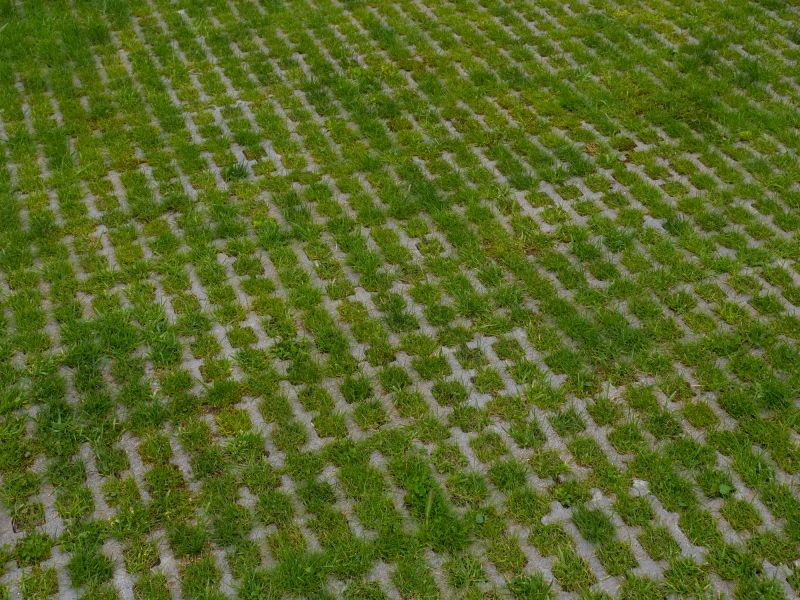
Lower-waste or water-saving choices for Pavers Service.
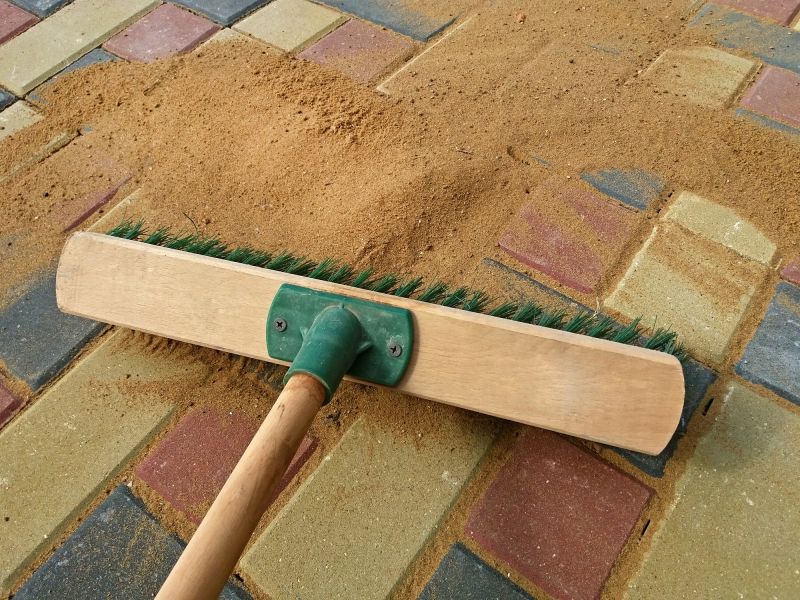
The short, realistic tool list for quality Pavers Service.
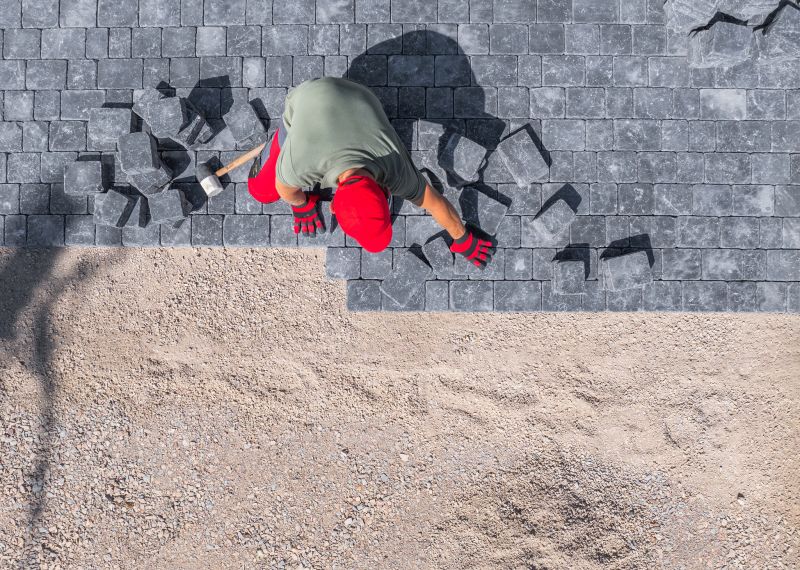
Rough timing from prep to clean-up for Pavers Service.
For those interested in scheduling pavers service, exploring seasonal timing options can lead to better results and longer-lasting installations. Proper planning and understanding of seasonal impacts are essential for achieving optimal outcomes.
To discuss available options and determine the best timing for specific projects, filling out the contact form is recommended. Expert advice can help align project timelines with ideal weather conditions, ensuring successful paver services.